Operational AI and secure networking for the built world
Hewlett Packard Enterprise (HPE) chose Willow to run its own global workplace portfolio. Now Willow and HPE are bringing that same capability to every enterprise managing buildings at scale.
How HPE and Willow turn building data into operational decisions
Large enterprise portfolios have a data problem that starts at the network layer. BMS systems, IoT sensors, occupancy devices, and access control platforms generate continuous data across every facility, and most of it never reaches operations teams in a usable form.
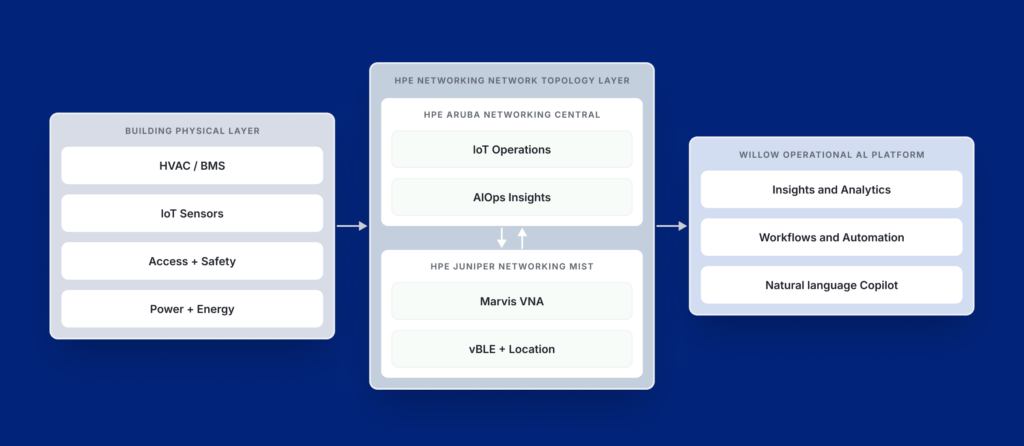
HPE Networking collects and secures data from every connected device across OT, IT, and IoT systems. Willow’s Knowledge Graph then maps that data into a unified digital twin, analyzes it continuously across every asset and system, and surfaces the failures, inefficiencies, and energy waste that reactive operations miss.
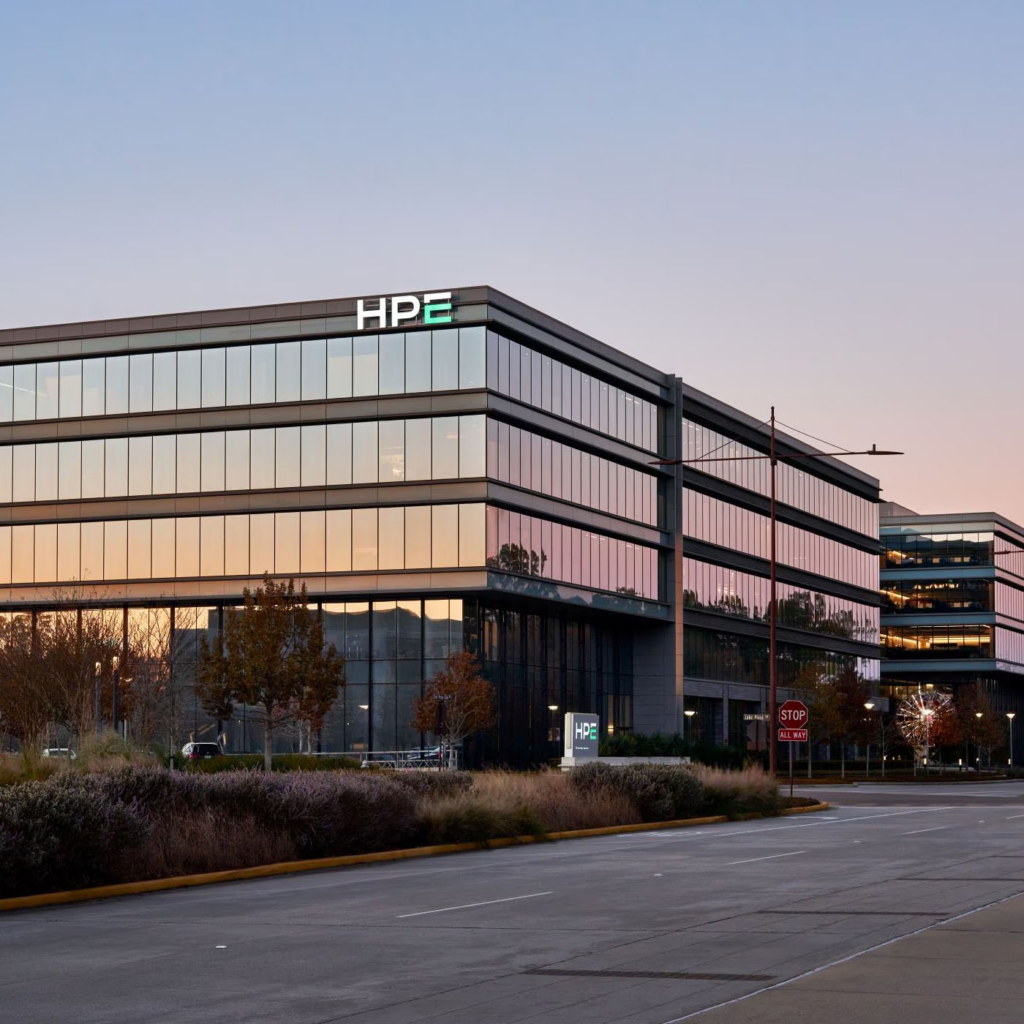
Standardizing facilities operations
HPE chose Willow as part of its One Global Workplace initiative for Operational AI.
Now, Willow manages more than 9 million square feet across 200 HPE facilities. Together, Willow and HPE are bringing their joint solution to customers worlwide.
How HPE and Willow work together
Unified OT/IT data foundation
HPE Networking provides the secure transport layer. Willow maps every connected asset into a single digital twin, giving operations teams one view of the entire portfolio regardless of how many BMS vendors or building types are in scope.
Fault detection before failure
Willow’s Knowledge Graph runs 24/7 across every asset connected to the HPE network layer, identifying faults in HVAC, electrical, mechanical, and access systems before they escalate. Maintenance is then scheduled against the fault, not based on a calendar.
Automated workflows, closed-loop
When Willow detects a fault, work orders are automatically generated, routed, and logged. Field technicians see root cause, asset history, and recommended next steps before touching equipment.
Cross-domain visibility across IT, OT, and facilities
The joint architecture correlates network performance data, asset telemetry, and environmental conditions in a single operational view. Issues that previously required separate diagnostic tools across separate teams surface in one place, with context attached.
Portfolio scale from single site to global enterprise
The joint architecture supports any portfolio size with centralized management and reporting across sites in multiple regions on a single operational intelligence layer.
The only Operational AI platform certified on HPE Aruba and Juniper
Certified interoperability between the Willow Platform and HPE Aruba Networking Central and HPE Juniper Networking Mist streamlines deployment and maintenance.
Fast to deploy
HPE Networking establishes the secure network architecture and allows Willow to easily integrate building systems and IoT devices into its platform.
Simple to maintain
Ongoing maintenance follows a documented architecture. Changes on either platform are managed within a known integration model rather than requiring ad hoc troubleshooting.
Security-first foundation
HPE Networking applies OT/IT security segmentation from the point of data collection. That security posture carries through into Willow’s platform, which is built on Microsoft Azure with single-tenant data separation and enterprise-grade access controls.
Built for complex, distributed portfolios
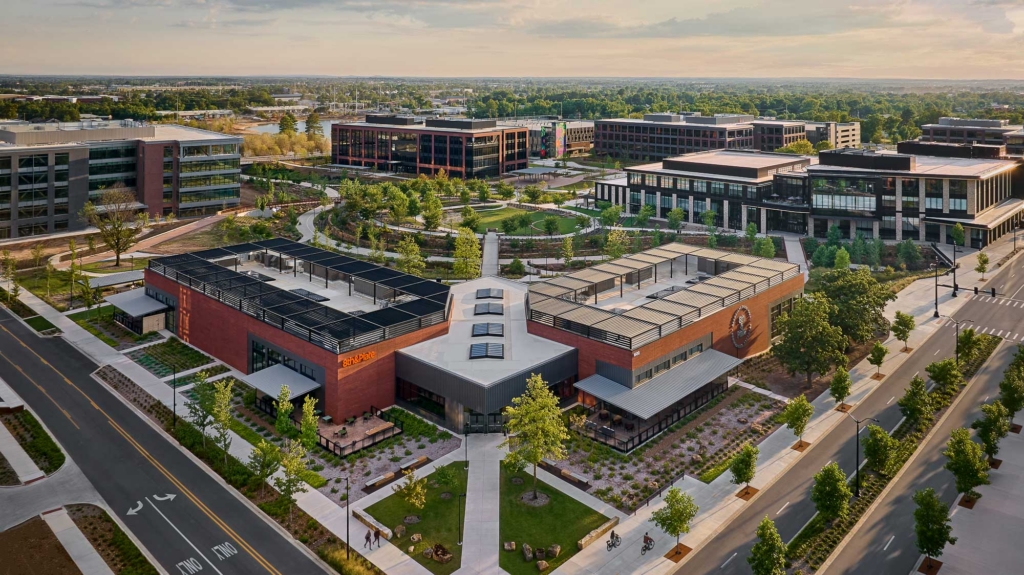
Campus and HQ portfolios
Large campuses run dozens of building systems across millions of square feet , often with different vendors in each building and no unified operations layer. Willow maps every system into a single digital twin, monitors 24/7 for faults and inefficiencies, and gives facility directors a portfolio-level view that BMS dashboards can’t provide.



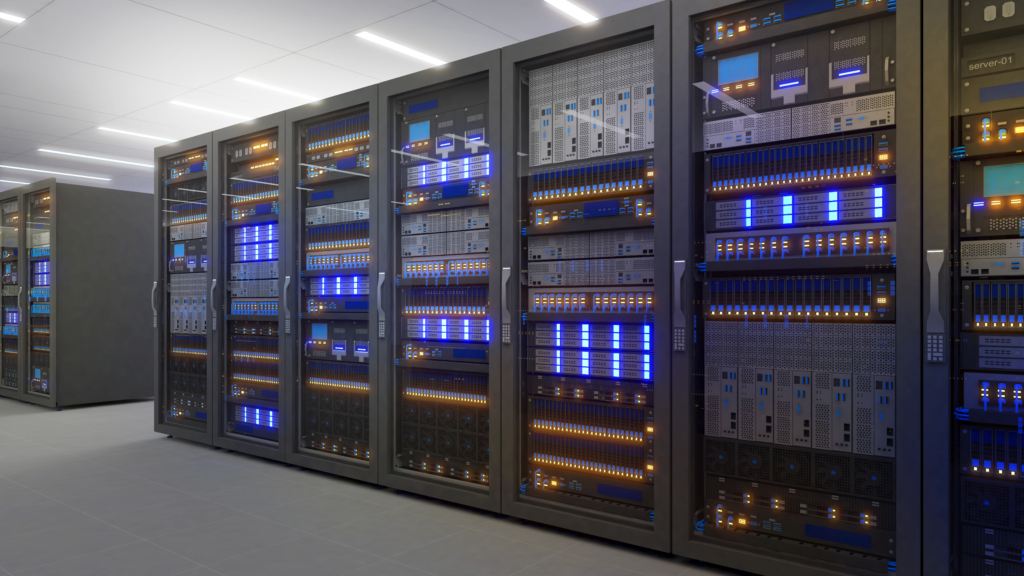
Critical infrastructure and data centers
Facilities where uptime is non-negotiable require detection and response before failure. Willow’s continuous analysis of mechanical and electrical systems gives operations teams advance warning and a clear action pathway before downtime reaches critical systems.
Global real estate portfolios
Multi-country portfolios with inconsistent infrastructure present exactly the fragmentation problem the Willow and HPE joint architecture addresses: one secure, normalized data foundation, one operational intelligence layer, consistent reporting across every market.
Ready to see Operational AI in your environment?
Learn how HPE and Willow can transform your building operations.
Frequently asked questions
HPE deployed Willow across its global workplace portfolio as part of the One Global Workplace initiative, standardizing facility operations across HPE facilities worldwide on Willow’s Operational AI platform.
Joint deployments with HPE Aruba Networking Central and HPE Juniper Networking Mist are tested, validated, and documented. Setup follows a defined architecture rather than a custom integration project, which means faster deployment, simpler ongoing maintenance, and a security posture established from day one.
HPE Aruba and Juniper infrastructure collects real-time occupancy, utilization, and device data from every connected asset across OT, IT, and IoT systems. That data flows into Willow’s Knowledge Graph, where it is mapped to a unified digital twin and analyzed continuously across the full portfolio.
Corporate campuses, HQ portfolios, critical infrastructure, data centers, and global real estate portfolios. The solution is designed for distributed, multi-vendor environments where different BMS systems are running across facilities in multiple countries.
A BMS upgrade normalizes data within a single vendor’s system. The Willow and HPE joint architecture unifies data across all vendors, all systems, and all geographies into a single Knowledge Graph, then applies continuous Operational AI analysis across that unified data layer.